Source Waterproof Lockable School Phone Pouch for Students, Teachers, and Events
Find 30 waterproof lockable school phone pouch options for students, teachers, and events. Compare neoprene and PVC materials, sizes, and customization features to select the right protective case for your needs; compare the available evidence and request quotations based on your requirements.
Key considerations
Products List


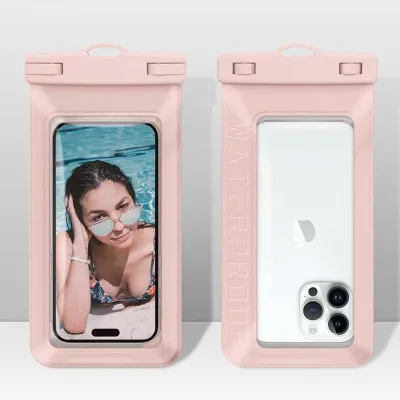

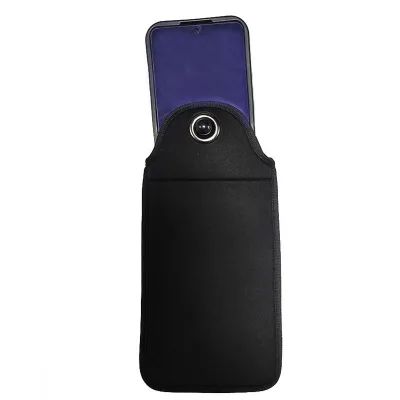


Comprehensive Sourcing Guide
Waterproof Lockable School Phone Pouch Sourcing Guide
Procuring waterproof lockable phone pouches for educational environments requires balancing strict security needs with durable, student-friendly materials. The observed market offers diverse options ranging from neoprene fabric to PVC, each presenting distinct trade-offs in flexibility and water resistance. Buyers must prioritize pouches that explicitly list waterproof and shock-absorbent functions to protect devices from accidental drops and liquid exposure common in school settings.
Selection should focus on verified compatibility with major smartphone brands like iPhone, Samsung, and Xiaomi, ensuring the pouch fits various student devices without compromising the locking mechanism. The presence of anti-slip and dirt-resistant features is critical for high-traffic areas, while the unisex design ensures suitability for all students regardless of gender.
Product Scope and Observed Listing Signals
The current market inventory reveals a wide spectrum of product types, including simple carrying cases, wrist-designed holders, and specialized waterproof bags. Listings indicate that customization is widely available, allowing schools to request specific branding or color schemes to match institutional identity. However, the absence of a car holder in most models suggests these are primarily designed for handheld or wrist-worn use rather than vehicle mounting.
Buyers should note that while some products offer transparent colors for easy device identification, others come in solid black or grey options for a more discreet appearance. The observed size specifications vary significantly, with dimensions ranging from compact 10x20cm units to larger 26x13.5cm models, necessitating careful measurement against the specific phone models in use.
Technical Specifications to Verify
Technical due diligence must begin with verifying the exact material composition, as the supply chain shows a split between neoprene and PVC options. Neoprene offers superior shock absorption and a soft feel, which is ideal for student handling, whereas PVC provides a rigid, fully waterproof barrier. Procurement teams should confirm that the selected material meets the specific durability requirements for daily school use and potential rough handling.
Dimensional accuracy is equally critical, as observed listings show sizes ranging from 10.5x20.5cm to 17.5x105cm, with some models featuring specific height and width ratios like 26cm tall by 13.5cm wide. Buyers must ensure the internal dimensions accommodate the largest student device while maintaining a secure fit that prevents the phone from shifting during movement. Additionally, the hardness rating of "soft" observed in some listings should be cross-referenced with the need for structural rigidity in lockable mechanisms.
Compliance and Safety Documentation
Safety compliance is non-negotiable for products intended for minors, and the observed data highlights RoHS and ISO certifications as key indicators of regulatory adherence. These certifications suggest that the materials used are free from hazardous substances, which is essential for items that may be handled frequently by children. Buyers should request current test reports to verify that the specific batch of pouches meets these safety standards before finalizing any order.
Furthermore, the presence of EN-71 and Non-Phthalate standards in some listings points to compliance with toy safety regulations, which often apply to school accessories. It is vital to confirm that the locking mechanisms and any decorative elements do not pose choking hazards or contain toxic materials. Verification of these specific standards ensures that the procurement aligns with both local safety laws and international best practices for educational supplies.
Cost Drivers and Commercial Terms
Pricing in this category is highly variable, with observed ranges spanning from $0.06 to $6.58 per unit, driven largely by material choice and customization levels. The lower end of the spectrum typically corresponds to basic PVC or neoprene pouches with minimal branding, while higher prices reflect complex waterproofing, secure locking systems, and custom color printing. Buyers must analyze the total cost of ownership, considering that cheaper units may require more frequent replacement due to wear.
Minimum Order Quantities (MOQ) also fluctuate significantly, with observed ranges from 10 to 3000 units, allowing flexibility for both small pilot programs and large district-wide deployments. Packaging details, such as 100 pieces per carton with a gross weight of 12kg, influence shipping costs and storage logistics. Procurement teams should negotiate based on volume tiers to optimize the unit price while ensuring that the packaging dimensions of 78x29x29mm per carton do not exceed warehouse capacity.
Supplier Qualification and Quality Control
Supplier qualification should prioritize manufacturers located in established production hubs like Dongguan, China, which are known for their expertise in neoprene and PVC processing. The availability of free samples is a strong indicator of supplier confidence and allows buyers to physically test the waterproofing, locking strength, and material quality before committing to a bulk order. This step is crucial for validating that the product functions as advertised in real-world school scenarios.
Quality control protocols must include rigorous testing of the waterproof seals and the durability of the locking mechanisms under repeated use. Buyers should verify that the supplier maintains consistent production standards, as observed listings show variations in model numbers like WPB021 and XH2024, which may indicate different production batches or design iterations. Establishing a clear quality agreement ensures that every unit delivered meets the specified functional requirements for protection and security.
Long-Term Procurement Checks
Sustaining a successful procurement relationship requires regular audits of product consistency and supplier responsiveness over time. Schools should monitor whether the supplier can maintain the specified certifications and material quality as order volumes scale up, ensuring that the initial sample quality is replicated in mass production. Continuous communication regarding any changes in material sourcing or manufacturing processes helps prevent unexpected disruptions in the supply chain.
Finally, long-term checks should include evaluating the availability of replacement parts or accessories, such as replacement straps or locking keys, to extend the lifecycle of the pouches. Buyers must also assess the supplier's ability to handle reorders efficiently, given the observed lead times and production capacities. Establishing a feedback loop with school staff regarding product performance will provide valuable data for future procurement decisions and potential product improvements.
FAQs
What materials are used for waterproof phone pouches?
These pouches are primarily manufactured using Neoprene or PVC materials. Neoprene offers softness and shock absorption, while PVC provides transparency and durability. Both materials ensure the device remains protected from water and dirt. The choice depends on whether you prioritize flexibility or clear visibility for touchscreen operation during use.
Can these pouches be customized with logos?
Yes, customization is available for these products. Buyers can request color printing on the pouch surface to add branding or logos. This service allows businesses to create unique promotional items. The customization options support various design requirements, making them suitable for corporate gifts or branded merchandise campaigns.
What certifications do these products hold?
The products hold RoHS and ISO certifications. These standards ensure compliance with environmental and quality management requirements. Some items also meet En-71 and Non-Phthalate standards, particularly those intended for broader consumer use. These certifications verify material safety and manufacturing quality for international buyers.
How are the pouches packed for shipping?
The standard packing method is carton packaging. Typically, 100 pieces are packed per carton. The gross weight is approximately 12kg per carton. The carton dimensions are around 78x29x29cm. This efficient packing method helps reduce shipping costs and ensures the products remain secure during transit to the destination port.
What are the common sizes for these pouches?
Common sizes include 26cm tall by 13.5cm wide, and 11x26cm. Other variations are 10x20cm and 10.5x20.5cm. Some models measure 75x28x28mm. These dimensions are designed to fit various smartphone brands like iPhone, Samsung, and Huawei. Buyers should select the size that best matches their target device specifications.
Are these pouches suitable for unisex use?
Yes, these pouches are designed for unisex use. They are suitable for male and female consumers alike. The simple style and neutral colors like black, grey, and transparent options appeal to a broad audience. This versatility makes them ideal for general retail, promotional giveaways, or everyday carry accessories for any user.